Get your heating ready for a Perthshire winter
A few checks now save a cold house later. Here is what to do before the first hard frost, including the one job that stops most boilers on freezing mornings.
3 min read
Winters round Perth, Crieff and Blairgowrie can be hard, and the first cold snap is when boilers that have sat idle all summer show their faults. Here is what to do now, while it is still mild.
1. Run the heating before you need it
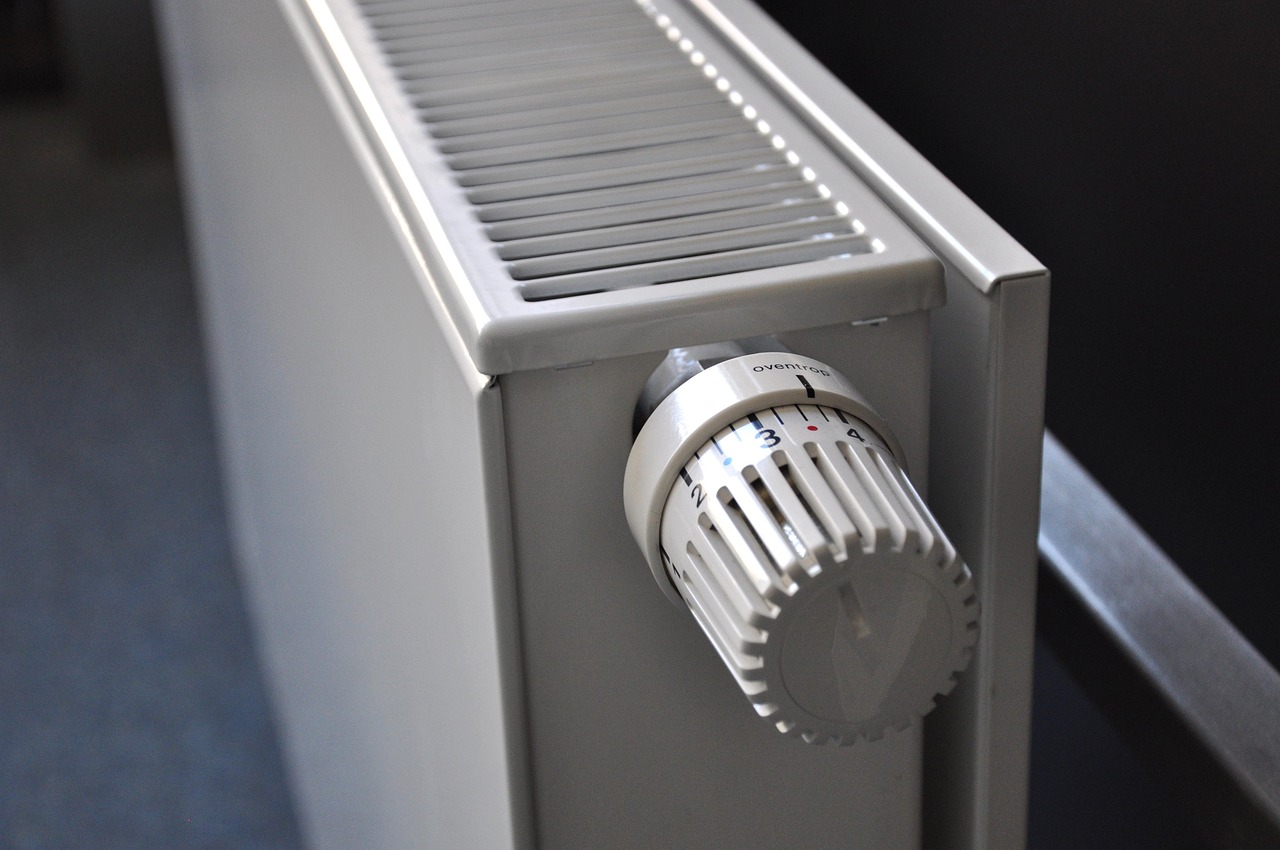
Put the heating on for half an hour now, even on a warm day. If something is wrong, you find out while there is time to book a repair, not on a freezing Sunday night. Listen for banging or gurgling, and feel each radiator once it is warm.
2. Check the boiler pressure
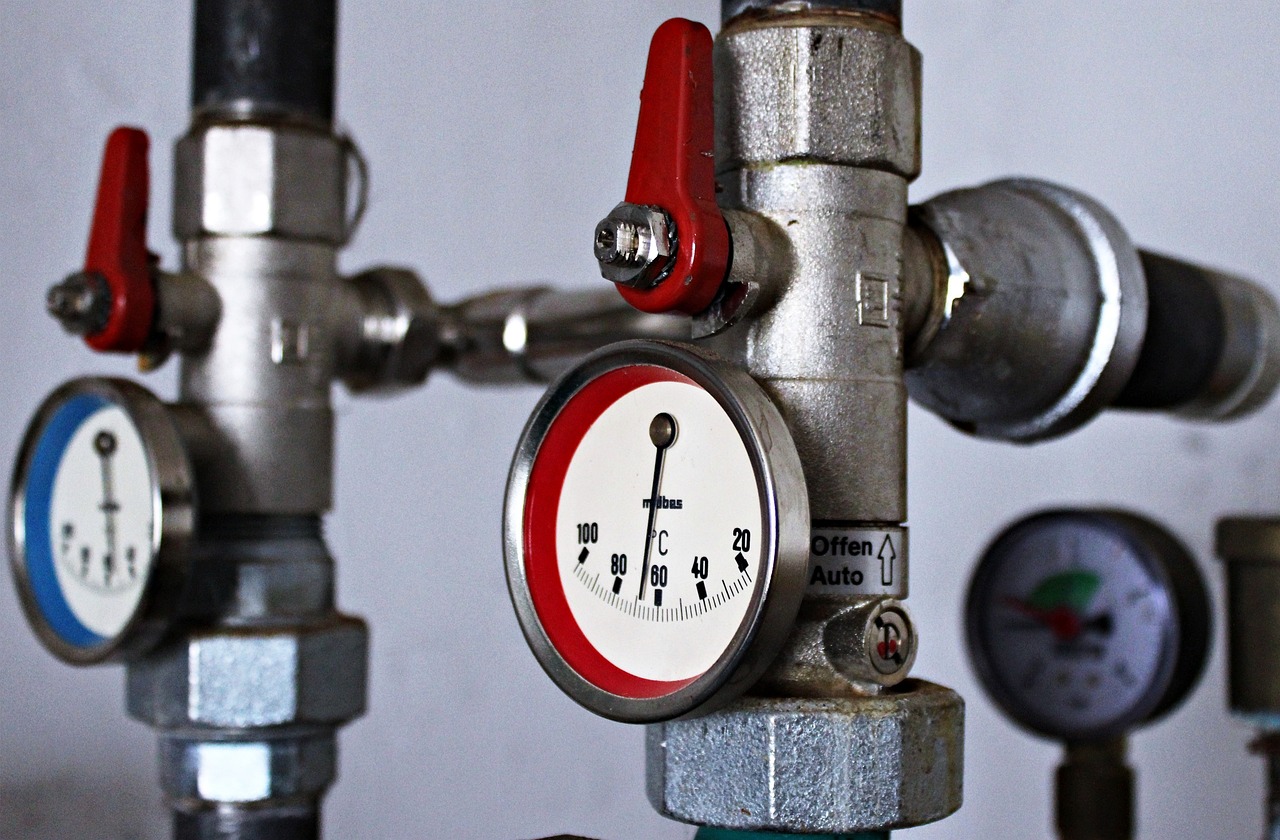
Most combi and system boilers have a pressure gauge on the front. With the heating off and cold, it should usually sit around 1 to 1.5 bar. Your manual will say exactly. If it is low, top it up following the manual. If you have to top it up again within a few weeks, there is a leak somewhere, and that needs finding.
3. Bleed any radiators that need it
Radiators that are cold at the top need bleeding. It takes a radiator key and a cloth. We explain how in our post on cold radiators. Check the pressure again afterwards.
4. Look after the condensate pipe
This is the big one. Modern condensing boilers make waste water, which runs out through a plastic pipe, often outside the house to a drain. In a hard frost that water can freeze in the pipe, and when it does, the boiler shuts itself down. It is one of the commonest winter breakdowns we see.
- Find your condensate pipe now, while it is light and dry. It is usually white or grey plastic, coming out of the bottom of the boiler.
- If a long length of it runs outside, lagging it with pipe insulation helps.
- If it does freeze, pour warm water (not boiling) slowly over the outside section, or hold a hot water bottle on it, then reset the boiler as the manual says.
5. Find your stopcock
If a pipe bursts, the first thing you need to do is turn off the water. Find the stopcock now. It is often under the kitchen sink, or where the water pipe comes into the house. Check it turns. Stopcocks that have not moved in years can seize, and a seized one is no use in an emergency.
6. Protect pipes in cold spaces
Pipes in lofts, garages and outside walls freeze first. Lag them. If you are going away in winter, leave the heating on low or on its frost setting, rather than off.
7. Get the boiler serviced
A yearly service is the best way to find small problems before the cold does. Book it now, before November, when everyone remembers at once. See what happens at a boiler service.
If it goes wrong anyway
No heating, no hot water or a burst pipe in the middle of winter: ring us. Our emergency page has what to do while you wait.
Get the boiler checked before winter
An annual boiler service is £85 and takes about an hour. Book a free slot online.
Book a boiler service