Cold radiators: bleeding, balancing or a powerflush?
Where a radiator is cold tells you a lot about why. Here is how to work out whether it needs bleeding, balancing or something more, and what you can safely do yourself.
3 min read
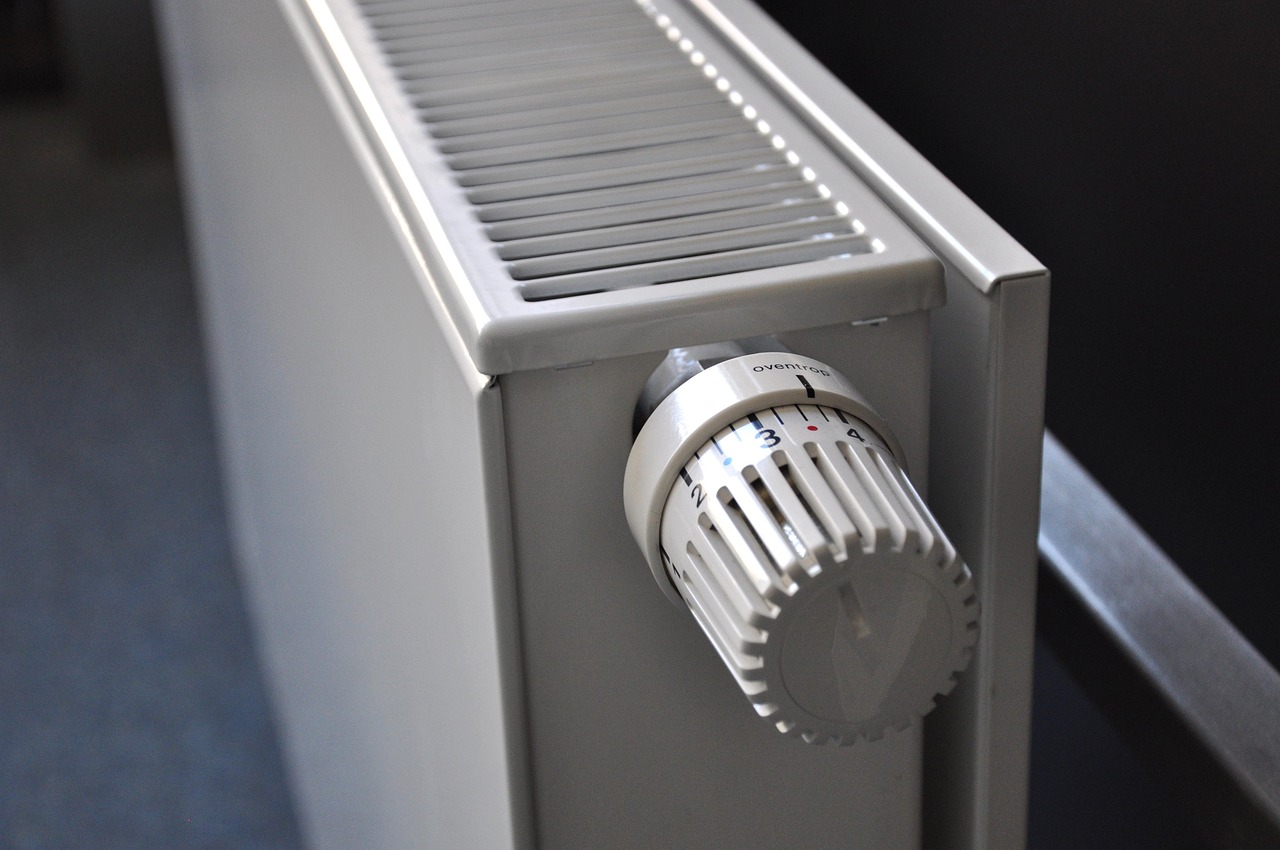
A cold radiator is one of the commonest calls we get once the heating goes back on in autumn. The good news is that a lot of the time you can fix it yourself. The trick is working out which kind of cold it is.
Cold at the top, warm at the bottom
That is air. It collects at the top of the radiator and stops the hot water getting there. Bleeding the radiator lets it out.
How to bleed a radiator
- Turn the heating off and let the radiators cool. Hot water can spray out.
- Hold a cloth under the bleed valve at the top corner of the radiator.
- Turn the valve anticlockwise a quarter turn with a radiator key. You will hear a hiss.
- When water starts to come out instead of air, close it again.
- Check the pressure gauge on the boiler. Bleeding lets pressure out, so you may need to top it back up to about 1 to 1.5 bar. Your boiler manual shows how.
If the same radiator needs bleeding every few weeks, something is letting air in, and that needs looking at.
Cold at the bottom, warm at the top
That is usually sludge: black, magnetic gunk from the inside of old radiators and pipes. It sinks to the bottom and blocks the flow. Bleeding will not fix it. You might also see dark water when you bleed, hear the boiler banging or kettling, or notice the heating takes longer to warm up than it used to.
Sludge is what a powerflush is for. A machine pushes water and cleaning chemicals through the whole system at speed to shift it, then flushes it all out. It is a bigger job than bleeding, so we always come and look before quoting. Sometimes the problem is in one or two radiators that can be taken off and flushed on their own, which costs less.
Some radiators hot, others cold
If the radiators near the boiler are hot and the ones further away are lukewarm, the system probably needs balancing. Every radiator has a valve that sets how much water goes through it. If those are not set right, the water takes the easy route and the far radiators miss out. Balancing is fiddly and takes time, but it does not need new parts.
Cold all over
If every radiator is cold, the problem is not the radiators. Check that:
- the boiler is on and showing no fault
- the thermostat is turned up above the room temperature
- the timer or programmer is calling for heating
- the boiler pressure is not too low
If all of that is fine and you still have no heat, it is a boiler fault. In cold weather with no heating at all, that is an emergency: ring us. If you can manage for a day or two, book a boiler repair visit.
What to tell us when you get in touch
Which radiators are cold, which part of each one, how long it has been like that, and whether the boiler pressure keeps dropping. That tells us most of what we need before we arrive.
Think it might be sludge?
Book a free powerflush quote visit. It takes about 30 minutes and costs nothing.
Book a free quote